Calm Isn't a Corner: Why Your Home Is Already Full of Micro-Moments

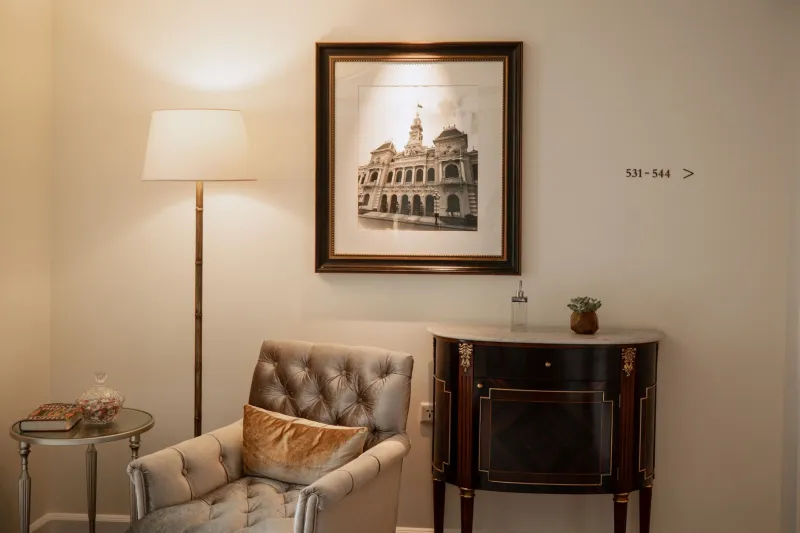
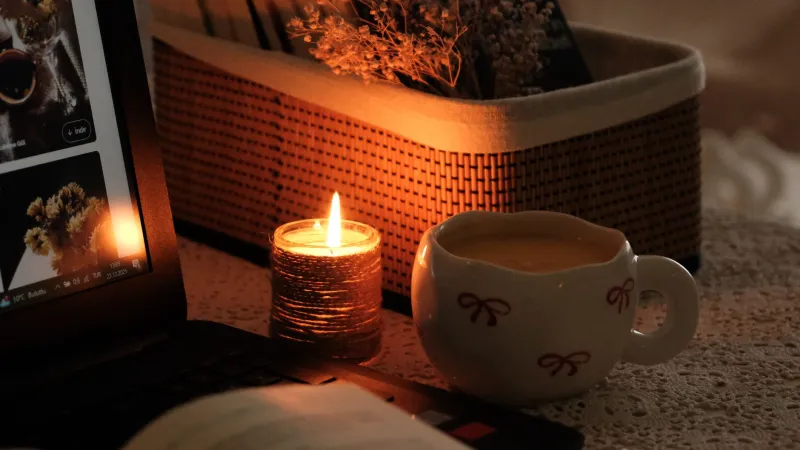
There's a particular photograph that does the rounds every January. A corner of a room, a linen cushion, a candle, a trailing plant, a woven basket with precisely one blanket folded inside it. The caption usually says something about creating a calm space at home.
It looks lovely. It also, quietly, sells the idea that calm is a room you designate — and that if you haven't got the space, the money or the inclination, you've somehow missed the point.
I don't think that's true. Having spent a long time thinking and writing about rest and domestic life, I've come round to the opposite view: almost nobody finds steadiness in a purpose-built corner. They find it in a mug, a step, a window, a blanket that smells faintly of the airing cupboard.
The wellness corner is a nice idea with a hidden cost
The appeal is obvious. A corner is containable. It promises that if you get this one small area right, the feeling will follow.
But there's a catch. A dedicated space has to be maintained to keep its meaning. The cushion flattens, the plant drops leaves, the basket fills with headphones and unopened post — and then the corner stops being a symbol of calm and becomes another thing you haven't kept up with.
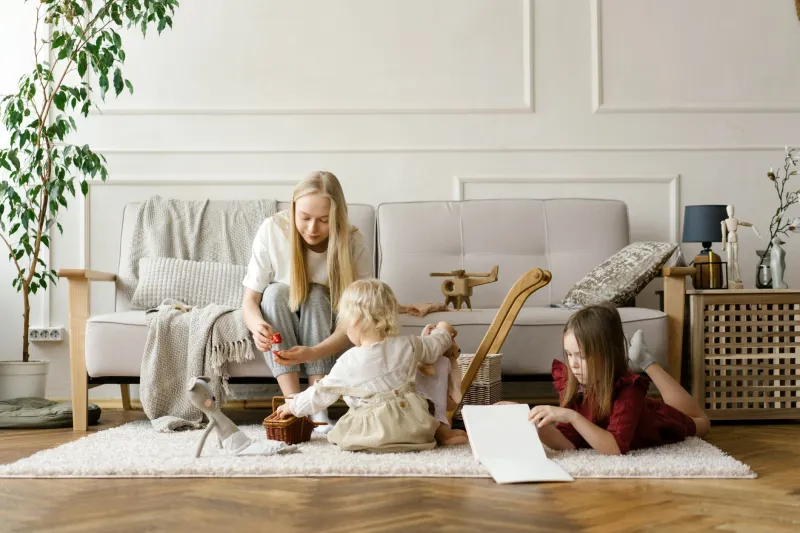
Add to that the reality of UK housing. Box rooms, shared flats, kitchens that are also hallways, a living room doubling as an office and a drying room. Any advice that requires a spare corner quietly excludes most of us.
Your home is already doing more than you think
Here's the reframe. Steadiness at home is rarely architectural. It's sensory, and it's repeated. It's the same warm mug in your hands on the same grey Tuesday. It's the specific creak of the third stair. It's the way the hallway radiator ticks when it comes on, and you know without looking that the house is warming up.
Small, familiar cues like these signal something to a nervous system that has been on duty all day: this is known, this is safe, you can put the load down. You don't have to build them. You only have to notice the ones you've already got, then use them on purpose instead of by accident.
What actually counts as a micro-moment
A micro-moment is anything under a couple of minutes that shifts how your body feels in a room. Not a routine. Not a practice. Just a small, repeatable bit of comfort.
It might be the two minutes you spend at the back door with a cup of tea, watching the weather come in. It might be pulling a particular blanket over your knees at the point in the evening when you finally stop. It could be the window seat, the wide sill, or even the step outside the front door where you sit to take your shoes off. A playlist you only ever put on while cooking, so the kitchen starts to feel like somewhere you chose to be. The radio low in the morning, before anyone else is up.
None of it photographs well. All of it works.
Finding yours is mostly a noticing exercise
Try this over the next week, and don't buy anything. At three or four points in the day, ask yourself one question: where in this home does my body feel slightly less braced?
It might be standing at the kitchen sink with the window open. It might be the end of the sofa nearest the lamp, or the spot on the landing where the afternoon light lands. It might be the bathroom with the door shut — not a spiritual location, but a private one.
Note them. Not in a bullet journal necessarily, just notice. Most people find they already drift back to two or three places without ever having decided to.
Then use them deliberately
Once you know your spots, the only change is intention. You don't need to schedule them; you need to stop treating them as accidental.
If the windowsill is where you decompress, go there on purpose after work instead of waiting to notice you've calmed down. If one mug is the one that makes a cup of tea feel like a pause, use that mug on the hard days rather than whichever one happens to be clean.
The aim is repeatability, not ritual. A micro-moment should cost nothing and be possible on a bad day, in a messy house, with other people in it.
Where the aesthetic quietly gets in the way
There's a point where making a space beautiful and making it restful stop being the same thing. If the cushion has to be plumped before you can sit down, the corner isn't serving you — you're serving the corner.
The same goes for the pressure to make rest visible. Some of the most restorative homes I've been in look like nothing much at all: a good lamp, a chair that's genuinely comfortable, a blanket within reach of where a person usually sits. No baskets, no signage. Just a home quietly arranged around the people living in it.
That's the standard I'd gently suggest. Not “does this look calm?” but “does this help me land?”
A gentler standard to hold yourself to
You probably don't need a corner. You probably need to notice the four or five small things your home already does for you, and then let them happen more often.
The mug. The blanket. The window. The third stair. That's the nest — not a styled version of it, but the one you're already living in.