Ten Free Comforts for a Lean Winter (Nothing to Buy, Nothing to Prove)
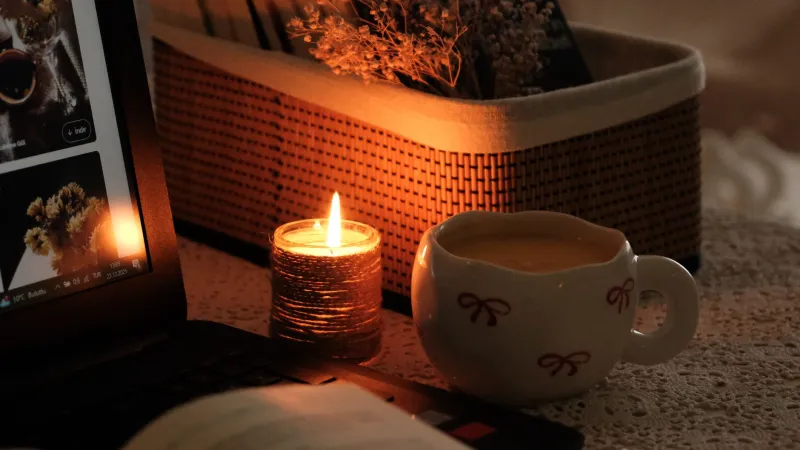
There is a particular kind of winter evening where the radiator has done its hour and gone quiet, the light has disappeared by half four, and the idea of 'treating yourself' feels like a joke told by someone with a bigger budget. Wellness culture has a habit of turning comfort into a purchase: the candle, the weighted blanket, the twelve-pound bath soak in the glass bottle.
None of that is necessary. Some of it is nice, sure. But the comforts that actually carry you through a tight January are usually the ones that cost nothing at all, and work best when repeated rather than saved for a special occasion.
Here are ten of them. Take the ones that fit. Leave the rest.
Start with what's already in the cupboard
1. The second cup. Not the mug you drink standing up while answering a message, but the one you actually sit down for. Boil the kettle again. Sit somewhere with a back to it. This is the whole ritual — no candle required, no app, no subscription. It costs one tea bag and the willingness to stop for eleven minutes.
2. The hot water bottle, deployed early. Most of us reach for it at bedtime, when we're already cold and cross. Fill it at seven instead. Put it on the sofa under a cushion, or at the end of the bed an hour before you get in. Warmth that arrives before you need it feels oddly luxurious, and a hot water bottle is one of the cheapest comfort objects ever invented.
3. One warm room, properly warm. Rather than half-heating the whole house, pick the room you actually live in during the evening and make it genuinely comfortable. Close the door. Draw the curtains at dusk, not at bedtime — it keeps the heat in and makes the room feel like a place you've chosen rather than a place you're waiting out.
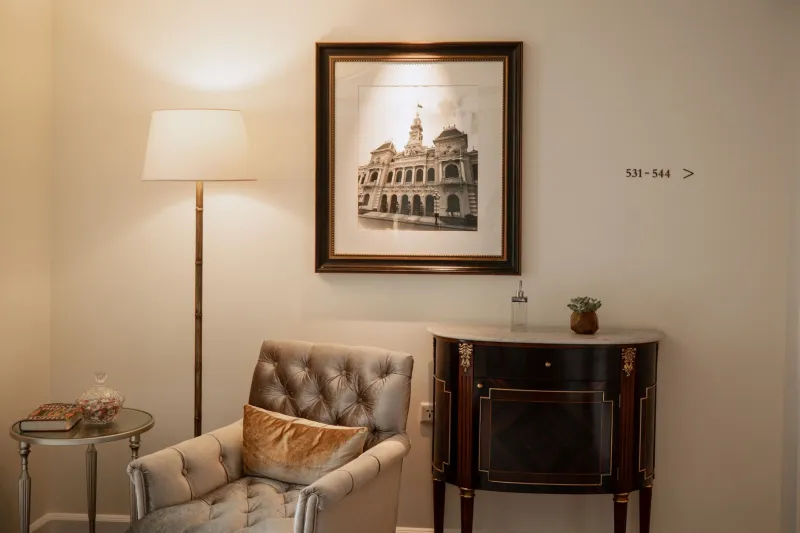
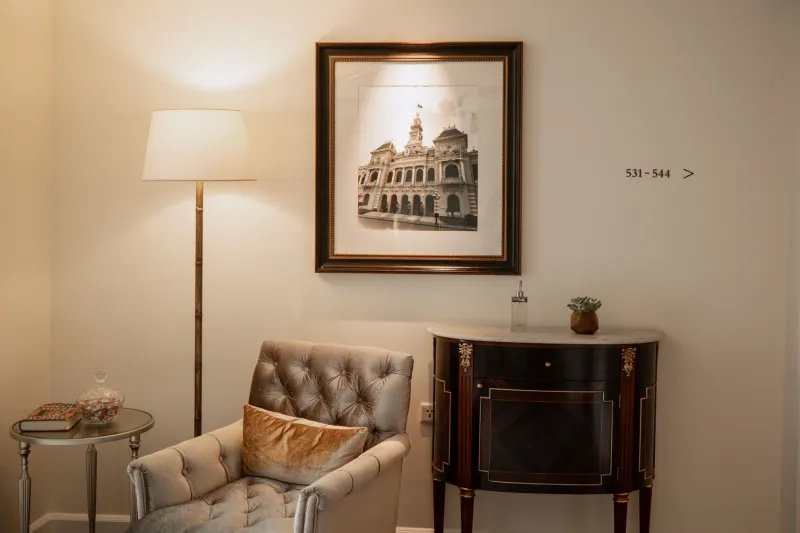
4. Lamps instead of the big light. You probably own three lamps already. Use them. The overhead light has its place (cleaning, finding a lost earring), but it is not a comforting light. Low, pooled, slightly mismatched lighting is free and changes the entire mood of a room in about four seconds.
Things you can do with your hands
5. Something warm to hold that isn't a phone. A mug, a hot water bottle, a bowl of soup, the washing-up. There's a reason the washing-up gets a reputation as strangely soothing: warm water, a simple task, a visible result. If the day has been shapeless, ten minutes at the sink can give it an edge.
6. The blanket that lives on the chair. Not folded in a cupboard, not saved for guests. Out, on the back of your chair, available. Comfort that requires a decision is comfort that often doesn't happen.
7. Something from the oven that isn't a meal. A tray of chopped root veg with oil and salt, a couple of potatoes, a banana bread if you're feeling ambitious. The point isn't the food. It's the twenty-five minutes of warmth and good smell that fill the kitchen while you get on with something else.
The free things outside your front door
8. The library, which is warm. UK libraries are one of the last genuinely free warm places you can sit in for an hour without being expected to buy anything. Borrow a book, read the paper, take a child and let them choose something absurd. In many areas, warm spaces and community hubs also run through the winter months — worth a look on your council's website.
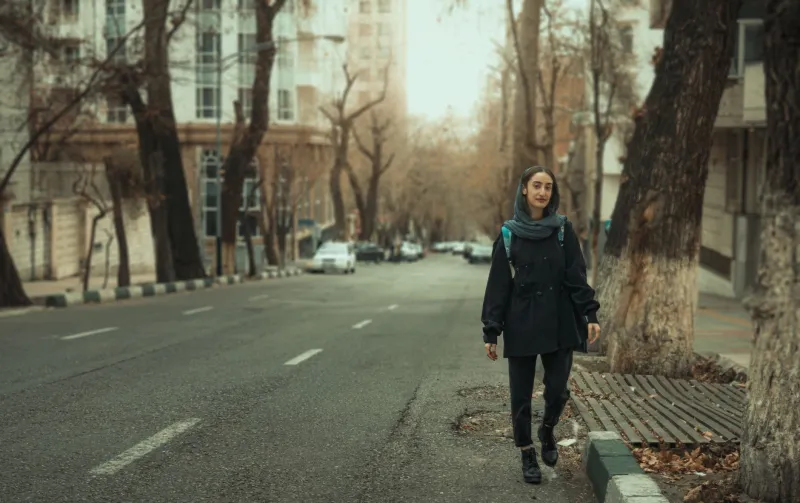
9. A walk that isn't exercise. No pace, no podcast, no step count. Boots on, coat on, out for fifteen minutes while there's still some light. The light in November is thin and low and honestly quite beautiful if you're not marching through it. Come back in and the kettle will feel like an event.
10. The early night, unearned. We treat going to bed early as something you have to justify with exhaustion. You don't. If the evening is grey and your mood is thin, going up at nine with a book is not defeat — it's a perfectly legitimate way to end a day. Very few things restore a person as reliably as sleep they didn't have to earn.
A note on low days
Some winter flatness is ordinary: the light goes, the bank balance tightens, everything feels like more effort than it should. Free comforts help with that, and they help more when they're small enough to actually do on a bad day.
But if the low mood is lasting weeks rather than days, or it's stopping you eating, sleeping or seeing people, then no list is the answer. Talk to your GP. That's not a dramatic step — it's just the sensible one, and it costs nothing either.
For now: the kettle's there. The lamp's on. That counts for more than it sounds like it does.