The Winter Air Exchange: A Small Daily Habit for a Lighter Home
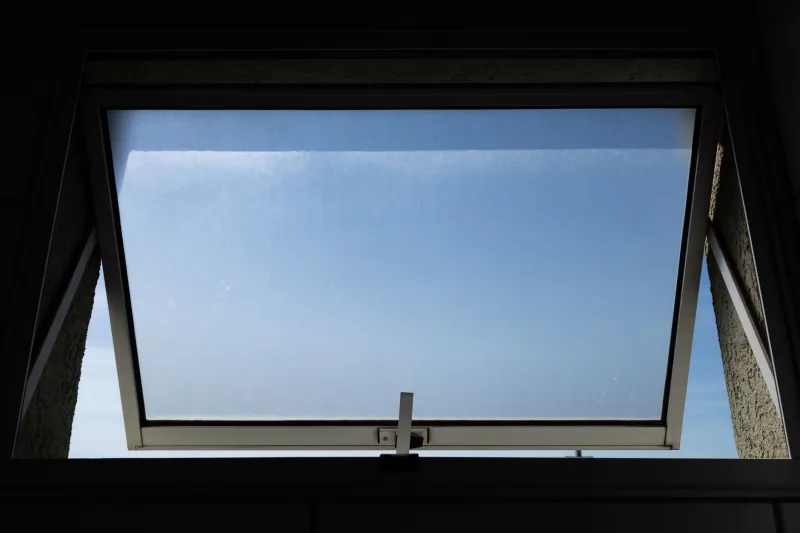
By the time November settles in, most UK homes have made a quiet agreement: the heating goes on, the windows stay shut, and the curtains close a little earlier. It makes sense. The wind is sharp, the rain is persistent, and deliberately letting cold air into a warm room can feel counterintuitive. But there is a small, gentle habit that sits between self-care and home maintenance, and it takes about ten minutes: giving your rooms a proper air exchange.
This is not a lecture about energy bills, damp, or doing winter perfectly. It is an invitation to notice how your home feels when it has been sealed up for days. A stuffy room is not a moral failing. It is just a room that has been breathing the same air for a while.
Why a sealed-in room can feel heavier than it looks
When we heat a room and keep the windows closed, the air can become warm, dry, or damp depending on what is going on. Cooking, showers, laundry drying on radiators, and simply breathing all add moisture. In a Victorian terrace or a modern new build with double glazing, that moisture has fewer places to go. The result can be condensation on the glass, a faint stuffiness, and that particular feeling of a room that needs to yawn.
None of this is dramatic. But over a few days it can quietly affect how you feel: a little more sluggish, a little less able to concentrate, sleep that does not quite land. Fresh air is not a cure-all, but it is a simple reset. It gives the room a chance to exchange stale air for cooler, cleaner air, and it gives you a small pause in the day.
Ten minutes is enough, and you do not have to be cold
The trick is not to fling every window open for an hour and turn the house into a fridge. It is a short, deliberate burst. Ten minutes is usually plenty for a room to exchange air, especially if you create a little cross-flow by opening a window on one side of the home and a door or window on the other.
Pick a moment that already has a shape: first thing before the heating comes on, while the kettle boils, after a shower, or just before you settle for the evening. Set a timer on your phone if you like. Wrap up in a jumper. Make a cup of tea. The point is not to endure the cold but to let the room breathe while you get on with something small and pleasant.
If it is properly bitter outside, you can shorten it to five minutes and still notice a difference. If you have rooms that are rarely used, a quick airing once a day is enough. The same goes for bedrooms: a short burst in the morning can make the room feel fresher for the night ahead.
The rainy-day version
British winter is not always crisp and dry. Sometimes it is grey, drizzly, and generally uninviting. You do not need to wait for perfect weather to air your home. On wet days, open a window on the sheltered side of the house, or use the small trickle vents that many modern windows have. Open internal doors so air can move between rooms. If you have an extractor fan in the bathroom or kitchen, use it while you shower or cook, and let it run for a little longer than usual.
If rain is blowing in, crack the window rather than opening it wide. If you are worried about security or safety, work with what you have: a window restrictor, a locked sash, or a high window that opens just enough. The aim is movement, not a gale.
Tricky windows and rented homes
Not every window is easy. Sash windows can be painted shut, stiff, or heavy. Some rented homes have windows that only open a few inches, or no trickle vents at all. You are still allowed to air the place. Start with what works: a bathroom extractor fan, a kitchen fan, a door to a communal hallway, or a window that opens in a room you do not use often.
Do not force a window that will not budge. If it is painted shut or feels unsafe, ask your landlord or a professional to look at it. In the meantime, a short daily airing through the windows you can open is better than nothing. This is not about upgrading your home or spending money. It is about working gently with the home you have.
Make it a ritual, not a rule
The difference between a chore and a ritual is usually about how it feels. A chore is something you are behind on. A ritual is something you come back to. So pair the ten-minute airing with something you already enjoy: the first cup of tea, a stretch by the door, watering the plants, or a few minutes of quiet before the day starts.
Notice how the room feels afterwards. Cooler, yes, but also lighter. Notice how your chest feels. If you are someone who holds tension in your shoulders or breathes shallowly in stuffy rooms, this small habit can be a gentle reminder to let go. You are not fixing your home. You are giving it a rhythm.
And if you miss a day, that is fine. The point is not a perfect streak. It is a small, repeatable act of care that says: this space matters, and so does the person living in it.
A home that can breathe
Winter can make our homes feel sealed-in. That is not a failure. It is just what happens when we try to stay warm. But a ten-minute airing is a kind of quiet permission: permission to let the outside in, to let the stale air out, and to give yourself a moment of pause in the middle of the day.
You do not need a fancy air purifier or a new window. You need a timer, a jumper, and the willingness to open one window for a few minutes. Let the room exhale. Let yourself do the same.